
A tankless water heater can feel like a big upgrade, yet the installation is more than swapping one box for another. Your home may need changes to gas line sizing, venting, water connections, electrical, and even where the unit can mount safely, and those details shape how smooth the project feels. You will also want a clear picture of what the installer checks on day one, how long the work takes, and what normal looks like when the system starts up for the first time.
Start With Your Hot Water Habits, Not a Model Number
A tankless setup works best when the sizing matches how you use hot water on a normal weekday. The installer will ask about showers that overlap, dishwashing during dinner, laundry timing, and any high-flow fixtures, like rainheads or big tubs. Those details matter because tankless units heat water as it moves, so the unit needs enough capacity for your busiest stretch, not your quietest hour.
You will also talk about incoming water temperature in winter, since colder inlet water requires more heating to hit the same faucet setting. That is one reason a unit that feels strong in one home can feel strained in another, even with the same number of bathrooms.
Expect the conversation to include where you feel the biggest pain today. Maybe you run out of hot water after two showers, or maybe you want steadier delivery during back-to-back use. A pro uses your answers to choose a unit that fits your real demand instead of guessing based on square footage or a quick online chart.
Expect a Site Visit Focused on Placement, Venting, and Service Access
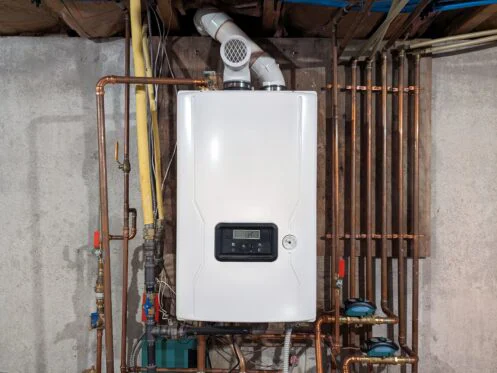
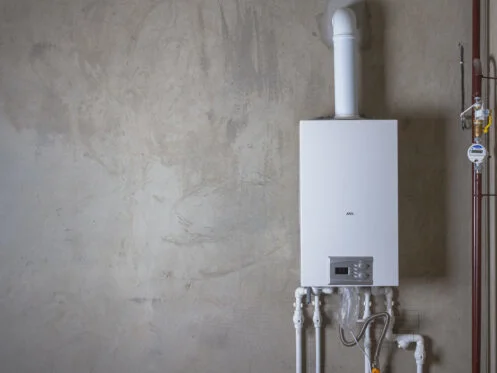
Even though tankless units are compact, the install location is not just “where the old tank sat.” The installer will look for a wall that can support the unit, allow safe clearances, and leave enough room for future service. Vent routing drives a lot of this decision. The best route avoids unnecessary length and tight turns that can affect exhaust flow. If the unit is a condensing model, the installer also needs a plan for condensate drainage. That may mean tying into a drain line nearby or routing to an approved drain location.
You should also expect code-related placement rules to come up, especially around doors, windows, and other openings. If the current mechanical area has limited options, the installer may suggest moving the unit a few feet to make venting cleaner and safer. This planning step prevents a messy layout and reduces the chance of a last-minute change on install day.
Gas Line Capacity and Electrical Power Often Need Updates
Many homeowners assume the existing gas line will work because the house already has a gas water heater. Tankless units can draw more fuel than a tank during operation, so the installer may calculate the total gas load of your home and verify that the pipe sizing can deliver stable pressure. If the line is undersized, the solution may involve upsizing a section or running a dedicated line to the heater. That is normal, and it protects performance and safety.
Even gas tankless units need electricity for ignition, controls, and fans. If the outlet is missing, poorly placed, or tied to a circuit that trips, the installer may recommend electrical work. You may also discuss surge protection or a plan for power outages if you live in an area where winter storms knock out power. These updates are not extras. They help the unit start reliably, run cleanly, and avoid nuisance shutdowns during heavy use.
Water Piping Changes Should Include Isolation Valves and a Clean Layout
Most homes need some repiping during a switch to tankless because the connections do not always line up with a tank heater’s ports. A quality install includes isolation valves that let the unit be serviced without shutting off water to the whole house. That setup also supports descaling service when your water has minerals that can form buildup inside the heat exchanger. The installer should keep the layout tidy so that future service does not require removing panels or fighting cramped angles.
You may also hear a water quality discussion. If you have hard water, the installer might recommend filtration or softening to reduce mineral load before water enters the heater. That conversation is practical, not pushy, because scale can reduce heat transfer and lead to performance complaints. The goal is a piping layout that supports stable flow, reduces vibration, and makes service straightforward. That makes day-to-day use easier and helps the unit perform the way it was designed to perform.
Install Day Follows a Sequence That Keeps the Job Controlled
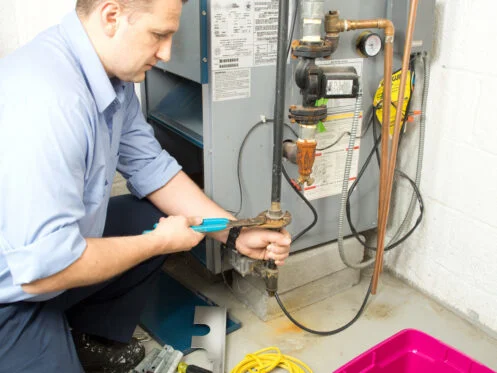
On install day, the crew typically shuts off water, gas, and power, then removes the old unit if this is a replacement. They mount the new heater, complete venting, connect gas and water lines, and tie in power. If the job includes a condensate drain, that gets routed and secured before startup. A professional will pressure test water connections, leak-check gas fittings, and verify vent connections before firing the unit. That step protects your home and prevents small mistakes from turning into return visits.
Startup includes setting the outlet temperature, confirming the unit activates at the right flow, and checking that multiple fixtures can run without unstable swings. If you have long pipe runs to a far bathroom, the installer should explain what to expect for wait time. Tankless changes how water is heated, not how fast it travels through plumbing. Clear expectations help you judge performance correctly from day one.
Budgeting Means Looking Past the Price Tag of the Heater
Homeowners often want a simple number, yet pricing depends on what your home needs to support the unit safely. The tankless water heater cost typically includes the heater, labor, vent materials, valves, fittings, and permit-related steps when required. The total changes if the project needs a gas line upgrade, added electrical work, a longer vent route, or more involved repiping. Access matters too. A tight attic route or a cramped mechanical closet can add labor because the installer has less room to work safely.
It also helps to plan for ownership costs. Tankless units need periodic service, and homes with mineral-heavy water may need descaling more often. When you compare estimates, ask what the scope includes and what conditions could change the price once walls, piping, or vents are evaluated on site. A clear estimate should explain the work, not just list equipment and a total.
Know What Comes With a Proper Tankless Install
A proper tankless water heater installation includes more than mounting the unit. We also help with water heater replacement planning, gas line upgrades, venting corrections, leak detection, shutoff valve work, and water quality solutions that reduce scale buildup in tankless systems. If you are thinking about going tankless, schedule an installation consult with Environmental Heating & Air Solutions in Roseville today and get a clear plan for your home.